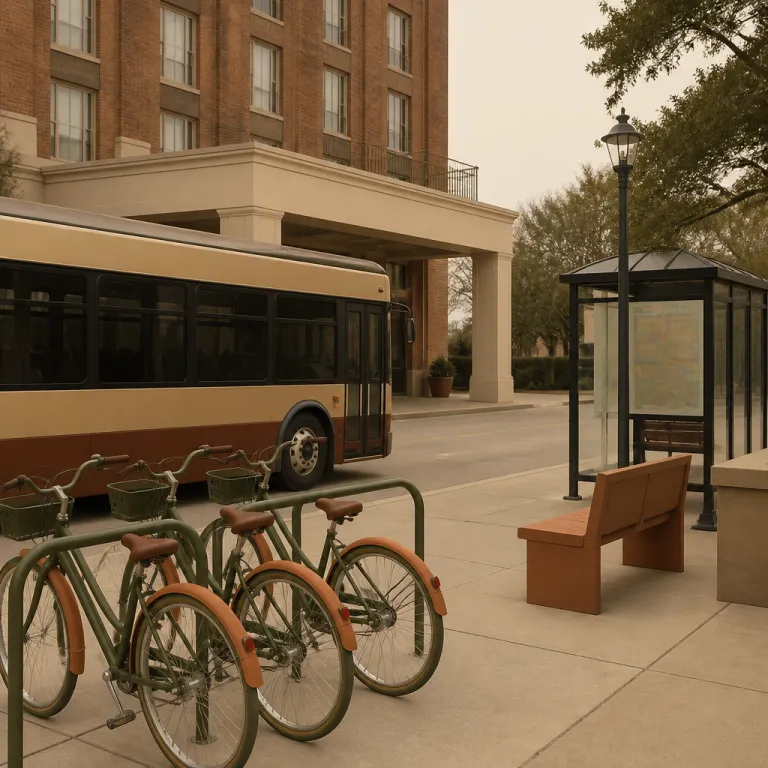
How this Charleston SC public transportation guide helps hotel guests
Charleston rewards visitors who understand its public transportation before booking a room. This Charleston SC public transportation guide shows how the Charleston Area Regional Transportation Authority shapes where it is smartest to stay. When you match your hotel choice to the nearest bus service or shuttle stop, you cut travel time and gain more hours for the historic district.
Most visitors focus only on the charm of the city and forget to study the transportation network that quietly supports every stay. The transportation authority known as CARTA runs regional transportation across the wider Charleston area, linking the downtown area with North Charleston, Mount Pleasant, West Ashley, and the airport through fixed routes and express lines. If you choose a hotel without checking its distance to a fixed route or area shuttle, you may end up relying on taxis for every short trip.
For guests comparing hotels in South Carolina, this guide explains how public transportation in Charleston can replace a rental car for many itineraries. It highlights key CARTA bus routes such as Route 11 (Dorchester/Airport), Route 40 (Mount Pleasant), and Route 30 (Savannah Highway), and notes where lowcountry rapid transit style services currently operate. By the end, you will know whether a property in Charleston County works best with a reach shuttle, a beach reach shuttle, or a simple walk to a nearby bus stop.
Understanding CARTA and regional transportation across the Charleston area
The Charleston Area Regional Transportation Authority, usually called CARTA, is the backbone of public transportation in the region. As the main transportation authority, CARTA coordinates bus service, express routes, free downtown trolleys, and specialised services such as Tel Ride paratransit across the Charleston area. When you evaluate a hotel, you are effectively evaluating its relationship to this regional transportation network.
CARTA operates fixed routes that connect the historic peninsula with North Charleston, the airport, suburban park and ride lots, and key corridors in South Carolina. These fixed route lines form a grid of public service options that allow visitors to move between the city centre, beaches, and residential districts without driving. Because the authority CARTA works with local and federal partners, the system continues to evolve toward a lowcountry rapid transit model along the busiest route between the downtown area and the north suburbs.
For hotel guests, the most relevant CARTA services are the regular bus routes, the free DASH trolleys, and the specialised Tel Ride service for riders with disabilities. The DASH trolleys operate as a free public transportation option within the compact downtown area, stopping near major hotels and landmarks such as the Charleston Visitor Center and Marion Square, which makes a central hotel extremely efficient for sightseeing. In contrast, a property near a park and ride in North Charleston may rely more on express or rapid transit style buses that feed into the peninsula.
Key routes, express lines, and lowcountry rapid style corridors
Several CARTA routes matter more than others when you are choosing a hotel in Charleston. The most valuable lines for visitors are the fixed routes that link the airport, North Charleston, and the historic city centre, because they reduce the need for taxis or rideshares. Route 11 connects Charleston International Airport and Tanger Outlets with downtown, while Route 10 serves Rivers Avenue and major North Charleston hotels, so when you study a Charleston SC public transportation guide, pay close attention to whether your preferred hotel sits within a short walk of one of these fixed route stops.
Express and rapid services are especially important if you stay outside the peninsula but plan to spend most days downtown. CARTA operates regional transportation that includes express buses from park and ride lots in the north and west, such as the Rivers Avenue and Ashley River Road facilities, which function like a basic rapid transit system during peak hours. These express routes shorten travel times into the downtown area, and hotels near such a bus service often market themselves to business travellers who value predictable commute times.
The planned Lowcountry Rapid Transit corridor, often described locally as a lowcountry rapid line, will eventually formalise this express pattern between the city and North Charleston. Even before full rapid transit infrastructure arrives, the existing rapid style routes already influence where new hotels open along the main highway. If you prefer a quieter stay outside the historic core, consider a property near these area regional corridors so that your daily transportation remains simple and reliable.
Free options, shuttles, and Tel Ride for accessible travel
Cost conscious travellers should pay attention to the free services that operate within central Charleston. CARTA runs free DASH trolleys through the downtown area, which means a hotel near these loops can offer effortless access to major sights without any extra transportation cost. When a property advertises that it sits on a DASH route, you can safely assume that most key attractions are reachable within a few minutes.
Beyond the free trolley network, several shuttle style services complement the main bus routes and support different types of stays. The reach shuttle concept appears in seasonal and event based operations, while the beach reach shuttle focuses on connecting the city or North Charleston with nearby coastal areas when demand peaks. Some hotels coordinate with these area shuttle services, especially during festivals, so it is worth asking your front desk about any current shuttle service that links directly to CARTA transit hubs.
Accessibility is handled through the Tel Ride paratransit service, which operates alongside fixed routes to support riders who cannot use standard buses. If you or a travel companion relies on Tel Ride, you should prioritise hotels within the official service area so that door to door transportation remains feasible. Because Tel Ride is part of the wider public transportation framework, staying within Charleston County boundaries usually offers the best coverage and the most flexible scheduling.
How public transportation shapes the best hotel locations in Charleston
Public transportation patterns in Charleston directly influence which neighbourhoods work best for different types of hotel guests. Travellers focused on history and dining often prefer the downtown area, where free DASH trolleys, short walking distances, and frequent bus routes make a car unnecessary. In this compact part of the city, a Charleston SC public transportation guide will usually recommend staying within a few hundred metres of a trolley stop.
Guests who prioritise value sometimes look toward North Charleston, where room rates can be lower and parking is easier. In that case, proximity to an express or rapid style bus route becomes critical, because you will rely on regional transportation to reach the peninsula each day. Hotels near major corridors benefit from the authority CARTA strategy of concentrating fixed routes and potential lowcountry rapid transit along the same spine, which simplifies trip planning.
Beach focused visitors often split their stay between the city and coastal areas, using a mix of bus service, beach reach shuttles, and occasional taxis. When you book, check whether your chosen property offers information about area shuttle links to CARTA hubs or park and ride lots. A well informed front desk that understands local transportation authority maps can save you both time and money during a multi day itinerary.
Practical planning tips, fares, and what hotel guests should know
Planning around Charleston public transportation starts with understanding fares, passes, and operating hours. CARTA buses typically run from early morning until late evening, and many hotel concierges keep printed timetables or can direct you to mobile transit applications. Because the system is designed as a regional transportation network, a single ticket often covers a long route across much of Charleston County.
Local funding, including a dedicated sales tax in parts of South Carolina, supports ongoing improvements to bus service, shelters, and real time information tools. As these investments expand fixed routes and prepare for future rapid transit, hotels near new stops often gain an advantage over properties that remain car dependent. When you compare room rates, factor in the potential savings from using public transportation instead of paying daily parking fees or repeated rideshare fares.
Official guidance from the transportation authority emphasises a few simple habits for visitors. “Use DASH trolleys for free downtown travel,” “Check schedules online or in the official CARTA app before trips,” and “Have exact fare or use mobile payment.” If you follow those instructions and choose a hotel aligned with at least one fixed route or shuttle corridor, the Charleston SC public transportation guide you hold in mind will translate into a smoother, more sustainable stay.
Key figures that matter for hotel guests using Charleston transit
- CARTA reports annual ridership of roughly 4 million passenger trips in recent years, a scale that shows public transportation is a practical option rather than a niche service for the Charleston area.
- Regular buses operate from approximately 5:30 in the morning until 23:30 at night on most core routes, which allows hotel guests to plan dinners, events, and airport transfers without relying on late night taxis.
- Free DASH trolleys run throughout much of the day in the downtown area, meaning a centrally located hotel can offer car free access to major attractions at zero additional transportation cost.
- The regional transportation network links Charleston, North Charleston, and surrounding communities, so a single hotel near a strong fixed route can serve both leisure sightseeing and business meetings across South Carolina’s coastal hub.
FAQ – Charleston SC public transportation guide for hotel stays
Is public transportation available in Charleston for hotel guests without a car ?
Yes, CARTA offers bus services and free downtown trolleys that make it realistic to stay in a hotel without renting a car. Guests in the downtown area benefit most, because free DASH trolleys and several fixed routes intersect near major hotels. Travellers in North Charleston can still rely on express buses and regional transportation links into the city centre.
What are the operating hours for CARTA buses when planning evening activities ?
CARTA buses operate from about 5:30 in the morning until 23:30 at night on most days, with exact times published on the official CARTA website and route timetables. This schedule allows hotel guests to attend dinners, performances, or meetings and still return by public transportation. Always confirm the exact timetable for your specific route, because some services run less frequently in the late evening.
Are there free transportation options near hotels in the historic district ?
Yes, the DASH trolleys are free and serve downtown areas where many hotels are located. If you choose accommodation within the trolley zone, you can reach museums, restaurants, and the waterfront without paying any fare. This free service is one of the strongest arguments for staying in the historic core rather than on the outskirts.
How does staying in North Charleston affect my use of public transportation ?
Hotels in North Charleston often rely on express or rapid style bus routes that connect to the peninsula and the airport. You may need to walk a short distance or use a hotel shuttle to reach a main stop, but once there, regional transportation can carry you into the city efficiently. This arrangement suits guests who prioritise lower room rates and easy highway access over being in the centre.
Should I still rent a car if I plan to use CARTA frequently ?
Many visitors who stay in the downtown area or near strong fixed routes choose not to rent a car, because public transportation covers most needs. If your itinerary includes remote plantations or late night beach trips, a car can complement the bus network. For a primarily urban stay focused on the historic district, relying on CARTA and occasional taxis usually offers better value.