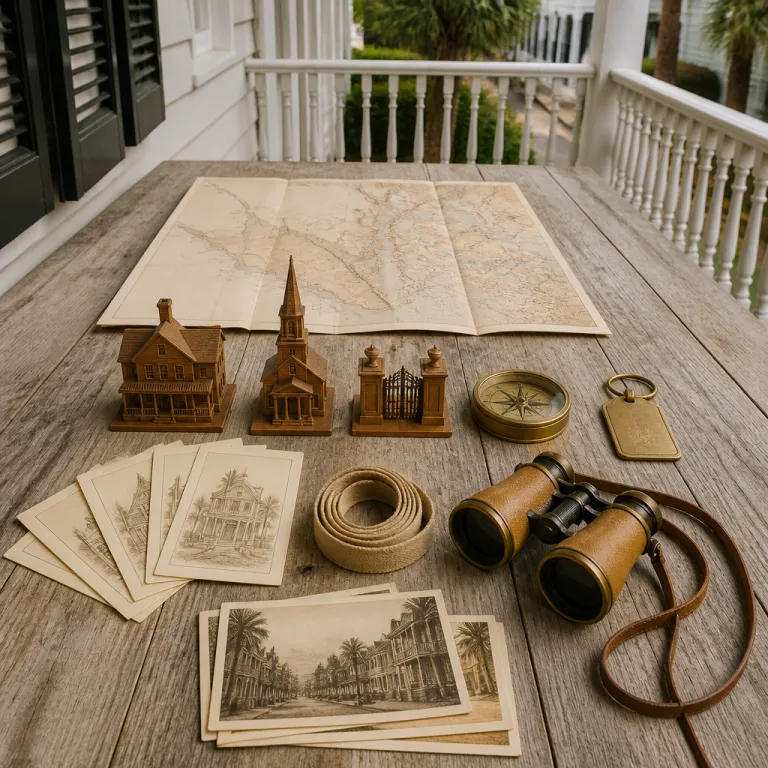
Why historic sites in Charleston SC matter when you choose your hotel
Charleston is one of the rare American cities where your hotel choice can shape how you feel its history. In the compact Charleston historic core, the distance between your room and major historic sites in Charleston SC often decides whether you wander out at dawn or miss the quietest hours on the cobblestones. For travelers who care about history and comfort, staying inside or beside the historic district turns every walk to dinner into a small lesson in Charleston’s past.
Many visitors arrive for a weekend, underestimate the size of Charleston city, then spend too much time in taxis instead of walking past each historic site. When you stay near the Charleston harbor or within the main historic district, you can visit a church, a museum, a Revolutionary War landmark, and the city market in a single morning without rushing. That proximity matters if you want to balance guided tours, relaxed meals, and time back at the house or hotel to rest during the warmest hours.
For someone planning where to sleep, the key is to map your must see historic sites in Charleston SC before you book. Decide whether your priority is the waterfront near Charleston harbor, the museum cluster around Meeting Street, or the grand plantation landscapes along the Ashley River to the west of the city. Once you know which part of Charleston South Carolina speaks to you, you can choose a hotel that turns every step outside the lobby into another chapter of Charleston history.
Staying near Charleston harbor and Fort Sumter for war history
Travelers fascinated by the Civil War often want a hotel that makes reaching Fort Sumter simple. The ferries to the fort leave from piers in Charleston harbor, primarily Liberty Square and Patriots Point, so a stay near the waterfront shortens your walk and lets you watch the harbor light change over the city. Because Fort Sumter is one of the most visited historic sites in Charleston SC, staying nearby helps you catch the earliest departures before the crowds of visitors arrive.
From a harbor side hotel you can visit Charleston museum collections in the morning, then board a boat to the fort after lunch when the breeze picks up over the water. Typical Fort Sumter ferry schedules offer morning and early afternoon sailings from downtown Charleston, often around 9:30 a.m., noon, and mid-afternoon, and the round trip including time on the island usually takes about two and a half hours. The national historic designation of Fort Sumter National Monument reflects how the first shots of the Civil War still echo through Charleston history and through the stories told on board the ferries.
History minded guests should remember that Fort Sumter sits on an island in Charleston harbor, so you must plan your visit around fixed departure times. Wear comfortable shoes, bring water, and allow time to read the plaques that explain how the fort was built and rebuilt during war and peace. When you return to the city, you can continue to explore Charleston on foot, passing other national historic markers that connect the harbor defenses to the churches, houses, and warehouses that financed conflict in South Carolina.
Charleston historic district stays for walking access to churches, museums, and markets
If you want to step out of your hotel and immediately feel Charleston history under your feet, choose a stay inside the historic district. This compact grid of streets holds some of the most important historic sites in Charleston SC, from steepled church towers to the Charleston museum and the lively city market. Here, the city’s past is not a distant attraction but a daily backdrop as you walk between your room, restaurants, and evening strolls along the waterfront.
Within the Charleston historic core, you can visit Charleston museum in the morning, tour a preserved house in the afternoon, then attend a concert in a centuries old church after dinner. The Charleston museum is often described as America’s first museum, and its collections trace the city’s role in the Revolutionary War, the Civil War, and the wider history of South Carolina. Staying nearby means you can break your visit into shorter segments, returning to your room between tours instead of pushing through long, tiring days.
Many travelers also value being able to explore Charleston city market early, before the crowds of visitors fill the aisles. A hotel within a few hundred metres of the market lets you browse local crafts, then continue toward the Charleston harbor or deeper into the historic district without needing a car. If you are unsure which streets best match your style, use a neighborhood guide such as how to choose the best Charleston neighborhood for your hotel stay to align your lodging with your preferred historic site list.
Planning a stay around Charleston’s great houses, plantations, and gardens
Some visitors care less about forts and more about the grand house traditions that shaped Charleston South Carolina society. For them, the most meaningful historic sites in Charleston SC are the plantations and gardens along the Ashley River and in nearby Mount Pleasant. Choosing a hotel with easy road access to these landscapes can save hours and make it realistic to visit more than one plantation during a short stay.
Middleton Place, Drayton Hall, Boone Hall Plantation and Gardens, and Magnolia Plantation each offer a different perspective on Charleston history and on the lives of the people who built and worked these estates. At Middleton Place you walk through formal gardens that frame views of the river, while at Magnolia Plantation you wander romantic paths that feel almost wild compared with the clipped geometry of other sites. Drayton Hall preserves a Palladian style plantation house largely unchanged, allowing visitors to see original brickwork and timber that survived both the Revolutionary War and the Civil War.
Boone Hall Plantation and Gardens, across the river from Charleston city in Mount Pleasant, is known for its avenue of oaks and its interpretation of the lives of enslaved people who worked the plantation. When you plan to visit more than one plantation site, consider staying either on the Ashley River side of Charleston South or in Mount Pleasant to reduce driving time. That way you can explore Charleston plantations in the cooler morning hours, return to your hotel to rest, then head back into the historic district or toward the harbor for evening dining.
Immersive history near the Old Exchange, Provost Dungeon, and early Charleston
Travelers who want to feel the earliest layers of Charleston history should consider a stay near East Bay Street and Broad Street. This area places you within a short walk of the Old Exchange and Provost Dungeon, one of the most atmospheric historic sites in Charleston SC. The building was built in the eighteenth century as a commercial exchange and custom house, then used as a military prison during both the Revolutionary War and the Civil War.
Guided tours of the Old Exchange and the provost dungeon beneath it help visitors understand how Charleston city functioned as a port for the wider South Carolina colony and later state. The exchange provost complex is now a protected national historic site, and its rooms hold stories of merchants, prisoners, and political debates that shaped the future of the American South. Staying nearby allows you to join early or late tours, when the crowds thin and the stone walls feel especially evocative.
From this corner of Charleston historic streets, you can also walk to Charles Towne Landing State Historic Site by short drive or taxi, where the original settlement of the city began. Many visitors combine a morning at Charles Towne Landing with an afternoon at the Old Exchange, creating a full narrative from the first English foothold in Carolina to the bustling Charleston harbor of later centuries. When your hotel sits between these landmarks, every outing becomes a chance to explore Charleston as a living museum rather than a series of isolated attractions.
Practical tips for hotel guests visiting multiple historic sites in Charleston SC
Choosing the right base for visiting several historic sites in Charleston SC requires a balance between charm, convenience, and your tolerance for walking. If you plan to focus on Fort Sumter, the Charleston harbor waterfront, and the city market, a hotel near the harbor or inside the historic district will minimise travel time. Travelers more interested in plantations, gardens, and quieter landscapes may prefer lodging closer to the Ashley River corridor or in Mount Pleasant for easier access to Boone Hall Plantation and Gardens.
Whatever your focus, remember that Charleston South Carolina weather can be humid, so schedule outdoor tours of each historic site for early morning or late afternoon. Many museums, including Charleston museum, offer excellent indoor exhibits during the hottest hours, allowing you to continue to explore Charleston history without discomfort. Wear comfortable shoes, carry water, and check operating hours in advance, because some plantations and island sites have limited visiting windows.
For ticketing, local guidance is clear that “Tickets can be purchased online through official websites or at the sites' entrances.” That advice applies whether you plan to visit Charleston museum, tour the provost dungeon, or board a ferry to Fort Sumter on the island in the harbor. By booking key tours before you arrive in Charleston city, you can then choose a hotel that fits your confirmed schedule, rather than scrambling to adjust your stay around sold out time slots.
Key figures that help frame your historic stay in Charleston
- Charleston is home to dozens of recognised historic sites across the city and surrounding areas, according to the Charleston Area Convention and Visitors Bureau, which means a centrally located hotel can significantly reduce daily travel time between attractions.
- Fort Sumter welcomes hundreds of thousands of visitors per year based on National Park Service data, so staying near Charleston harbor helps you reach earlier ferries and avoid the busiest departures.
- The Old Exchange building, home to the exchange provost and the provost dungeon, is more than two and a half centuries old, making it one of the most significant surviving public buildings from colonial South Carolina.
- Plantation sites such as Middleton Place, Drayton Hall, Boone Hall Plantation and Gardens, and Magnolia Plantation collectively cover extensive areas of preserved landscapes, so planning your hotel near the Ashley River or Mount Pleasant can save more than an hour of driving over a short stay.
FAQ about historic stays and historic sites in Charleston SC
What is the oldest building in Charleston and where should I stay to see it?
The Pink House, built around the early eighteenth century, is considered the oldest surviving building in Charleston and sits in the French Quarter area of the historic district. To see it easily, choose a hotel within the Charleston historic core, ideally within walking distance of East Bay Street and the city market. From there you can also reach nearby churches, the Old Exchange, and other early houses on foot.
Are there any free historic sites in Charleston near major hotels?
Several important historic sites in Charleston SC are free to visit and lie close to popular hotel areas. The Battery, Waterfront Park, and many historic churches in Charleston city welcome visitors without an entrance fee, though donations are appreciated. Staying in or near the historic district places these landmarks within a short walk, allowing you to combine free sites with ticketed museums and tours.
How can I purchase tickets for historic site tours while staying in Charleston?
Visitors can usually buy tickets for Charleston history tours online before arrival or in person at each site. This applies to ferry trips to Fort Sumter, guided visits at plantations such as Magnolia Plantation or Middleton Place, and entry to Charleston museum. Booking in advance is wise during busy seasons, especially if your hotel stay is short and your schedule is tight.
Is it better to stay in the historic district or near the plantations?
The best choice depends on whether you prioritise walking access or rural landscapes. Staying in the historic district suits travelers who want to explore Charleston on foot, visiting churches, the city market, and waterfront parks between museum visits. A hotel closer to the Ashley River or Mount Pleasant works better if your main goal is to spend long days at plantations, gardens, and quieter historic site settings.
Do I need a car to visit multiple historic sites in Charleston SC?
You can comfortably visit many central historic sites in Charleston SC without a car if you stay in the historic district, because churches, museums, and the harbor are within walking distance. However, reaching plantations such as Boone Hall Plantation and Gardens, Magnolia Plantation, Drayton Hall, and Middleton Place usually requires either a rental car, rideshare, or organised tours. Guests who want both urban and plantation experiences often combine a walkable city hotel with a single day car rental or a dedicated plantation tour.