Why Charleston fall tours matter for where you sleep
Charleston Fall Tours, run by the Preservation Society of Charleston, turn the historic city into a private open house each October. For a traveler choosing a hotel in Charleston city, that timing changes everything, because these autumn programs unlock single house interiors and walled gardens that no standard city tour or carriage loop will ever access. Stay within walking distance of the French Quarter or South of Broad and you can step from your lobby straight into a house museum or a candlelit garden gate as visiting hours wind down each evening.
According to the Preservation Society’s 2024 Fall Tours announcement, the season runs from 1 to 31 October, with four house-and-garden evenings, four insider architecture and history programs, several themed walking routes, and two events on the final night. Those twilight visits are the purest Charleston Fall Tours experience, a curated combo of private house calls and landscaped courtyards where owners open drawing rooms, stair halls and side piazzas that usually sit hidden behind ironwork on Legare, Church or lower Meeting Street. You might, for example, see the interiors of the Nathaniel Russell House or a private residence near the Aiken-Rhett House, spaces that remain closed during most Charleston fall events. Tickets must be bought in advance online at the Preservation Society’s official site, with no tickets sold at the door; expect prices to range roughly from the high $30s to around $80 per person depending on the tour type, and let those dates guide where and when you book your room.
Culture focused guests should treat the current edition as a rare chance to learn how Charleston history actually lives inside these houses, not just on the façades that bus tour guides point to from the street. A hotel concierge who understands the rhythm of Preservation Society tours citywide can help you book, learn and plan your evenings so that each tour hour is used well, whether you choose a house-and-garden ticket, an insider architecture experience, or a walking history route. Before you commit to a property, read how major Charleston events shape hotel choice on this detailed guide to timing your stay around events, then align your dates with the specific tours Charleston offers that week and ask about accessibility, parking options and late check-out if you plan to be out past dark.
Choosing the right tour type for your kind of stay
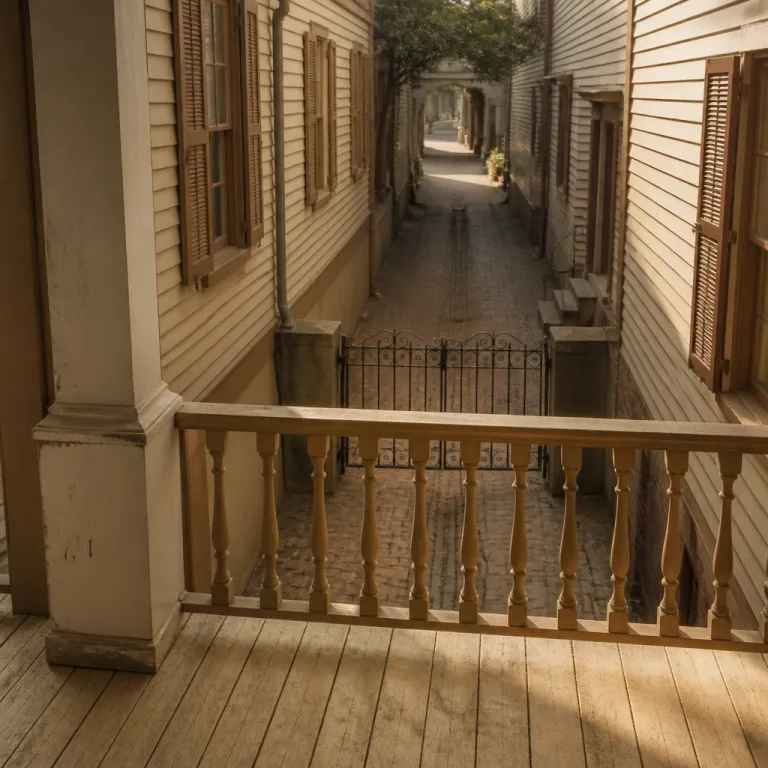
For visually driven travelers, the evening house-and-garden programs are the essential Charleston Fall Tours ticket, pairing candlelit stair halls with clipped boxwood parterres and long side piazzas that define the city’s single house form. If you stay near the French Quarter, you can walk to many of these historic city addresses, then drift back past the Charleston City Market or down to the Charleston harbor afterward, turning a formal visit into a wider city experience. Guests based farther out often rely on a bus tour or rideshare, which eats into time and makes the evening feel shorter, especially if you are navigating downtown parking garages or metered street spaces before the tour start time.
Insider architecture and history tours cost more, but they suit the traveler who wants to learn why a particular hall plantation corridor is aligned to the breeze, or how earthquake bolts changed the skyline of Charleston city after the nineteenth century. These smaller groups are led by historians and architects who guide you through street level details that most tours Charleston wide barely mention, from the geometry of a house museum façade to the way gardens were shaped by enslaved labor. If you are staying several nights and want depth, consider pairing an insider tour with a separate plantation visit to Magnolia Plantation or Boone Hall, creating your own combo of urban and rural history; one curator likes to point out that “the piazza is a porch, but it is also a climate tool and a social stage,” a reminder that design and daily life were never separate here.
Walking tours are the budget friendly way into Charleston Fall Tours, and they work especially well if you have already planned refined day trips from Charleston South Carolina using a hotel as your base, as outlined in this guide to day trips from a Charleston hotel. A morning city tour through the French Quarter, followed by an afternoon visit to Magnolia Plantation or Boone Hall, lets you compare the tight geometry of city gardens with the broader landscapes of a plantation, all within a single fall day. Whatever you choose, buy tickets early on the Preservation Society website, because October dates for every type of tour Charleston offers tend to sell out long before most visitors have even booked their rooms, and note that many routes cover uneven brick or slate, so comfortable shoes and a realistic sense of your walking pace matter.
Building a two or three day itinerary around the piazzas
Once your Charleston Fall Tours tickets are secured, build the rest of your stay around walking rather than wheels, because the most rewarding streets sit just beyond the carriage routes. A hotel south of Broad Street or near the French Quarter puts you within a short city tour stroll of the main Preservation Society routes, the Charleston City Market, and the waterfront views over Charleston harbor. From there you can spend the daytime hours visiting a formal house museum, then return in the evening for a different house-and-garden experience where the same block feels transformed by lamplight and open gates; a simple two day plan might start with a 9 a.m. breakfast near East Bay Street, a 10 a.m. visit to the Nathaniel Russell House at 51 Meeting Street, a midday break back at your hotel, and a 6 p.m. tour departure from a nearby address on Church or Legare Street.
Many travelers pair one night in the historic city with a separate day for a plantation tour, using a rental car or organized bus tour to reach Magnolia Plantation or Boone Hall in the wider South Carolina Lowcountry. A tour Magnolia ticket or a guided visit to Boone Hall plantation hall buildings gives context to the urban interiors you see on fall tours, especially if you pay attention to how labor, rice wealth and slavery shaped both the city and the plantations. Plan at least one unprogrammed hour each day to wander without a guide, because that is when you notice the quiet gardens, the fanlight transoms and the side piazzas that never appear on any printed map, and when you can duck into a small inn courtyard or hotel lobby to rest if the cobblestones or humidity start to wear you down.
If you prefer structure, use a three day Charleston city plan such as the one outlined in this three day Charleston itinerary from a hotel base, then layer your chosen fall tours on top. Day one can focus on the French Quarter and nearby house museum visits, day two on a combo of city market browsing and a plantation tour to Magnolia Plantation or Boone Hall, and day three on an insider history walk that ties Charleston harbor, the historic city grid and the private houses together. In the end, what you remember is not the scripted commentary of a carriage city tour, but the quiet moment on a back piazza when a guide pauses, the street noise fades, and the real Charleston finally steps out from behind the grille; staying within walking distance of those streets, rather than driving in from the suburbs, is what makes that moment possible.